
Why Does the Crypto Network Matter
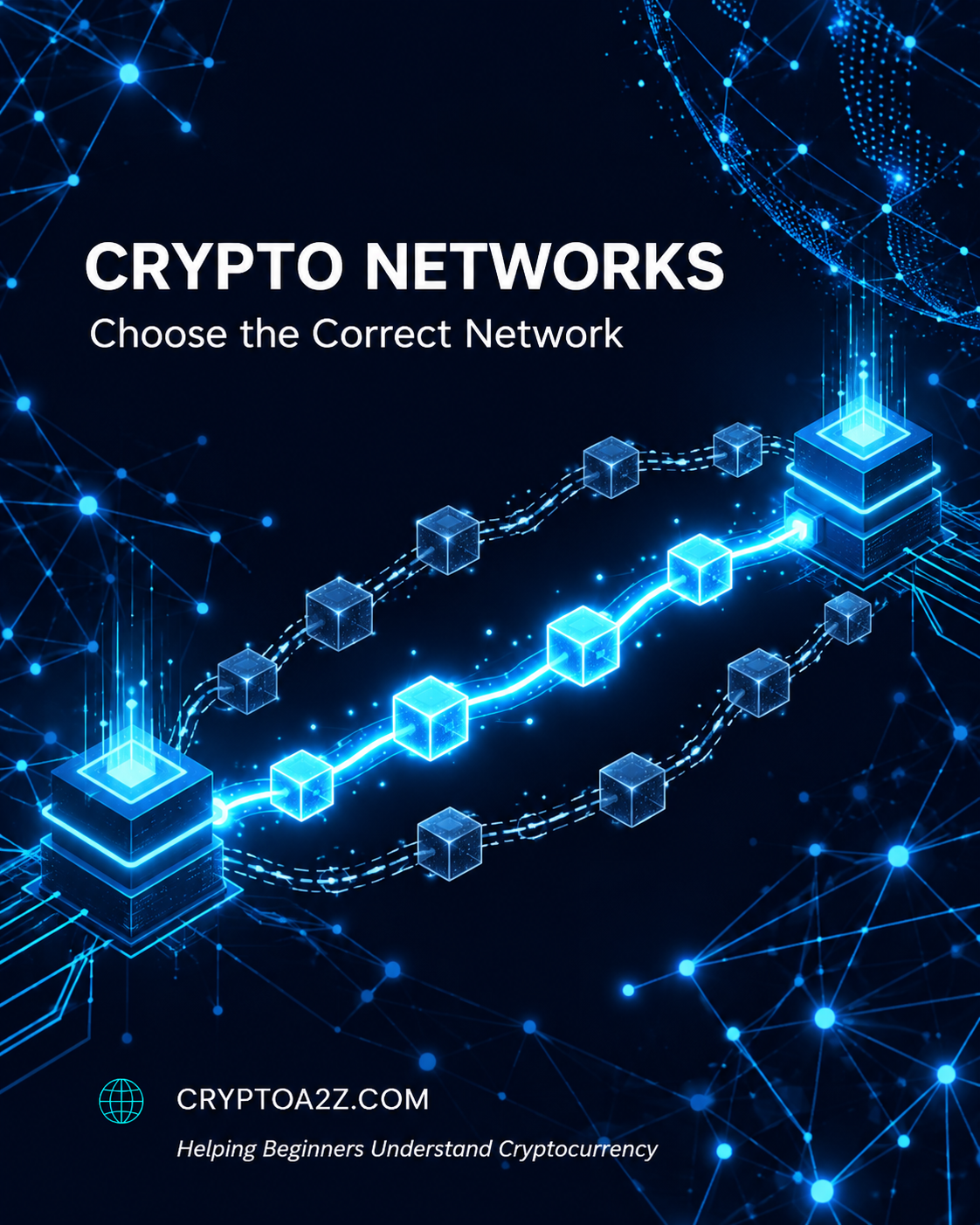
The crypto network matters because it determines where a transaction happens. The same asset name can appear on more than one blockchain, but those versions are not automatically interchangeable. Imagine mailing a package to the right street address in the wrong city. A correct-looking address does not mean you selected the correct destination. Before sending, confirm the asset, the sending network, and the networks supported by the receiving wallet or exchange. The receiving platform’s deposit instructions are the starting point. Some networks use addresses that look identical. That makes appearance an unreliable compatibility check. A successful transaction on one network …

What Is a Crypto Memo or Destination Tag
A crypto memo or destination tag is extra information that helps a receiving service assign a deposit to the correct account. Some exchanges use one blockchain address for many customers. The address identifies the service, while the memo or tag identifies the customer’s account within that service. Think of the address as an apartment building and the tag as the apartment number. Reaching the building is not enough if the recipient cannot tell which apartment should receive the delivery. Not every cryptocurrency transfer needs a memo. Requirements depend on the asset and the receiving platform. Always follow the recipient’s current …
What Is DeFi?
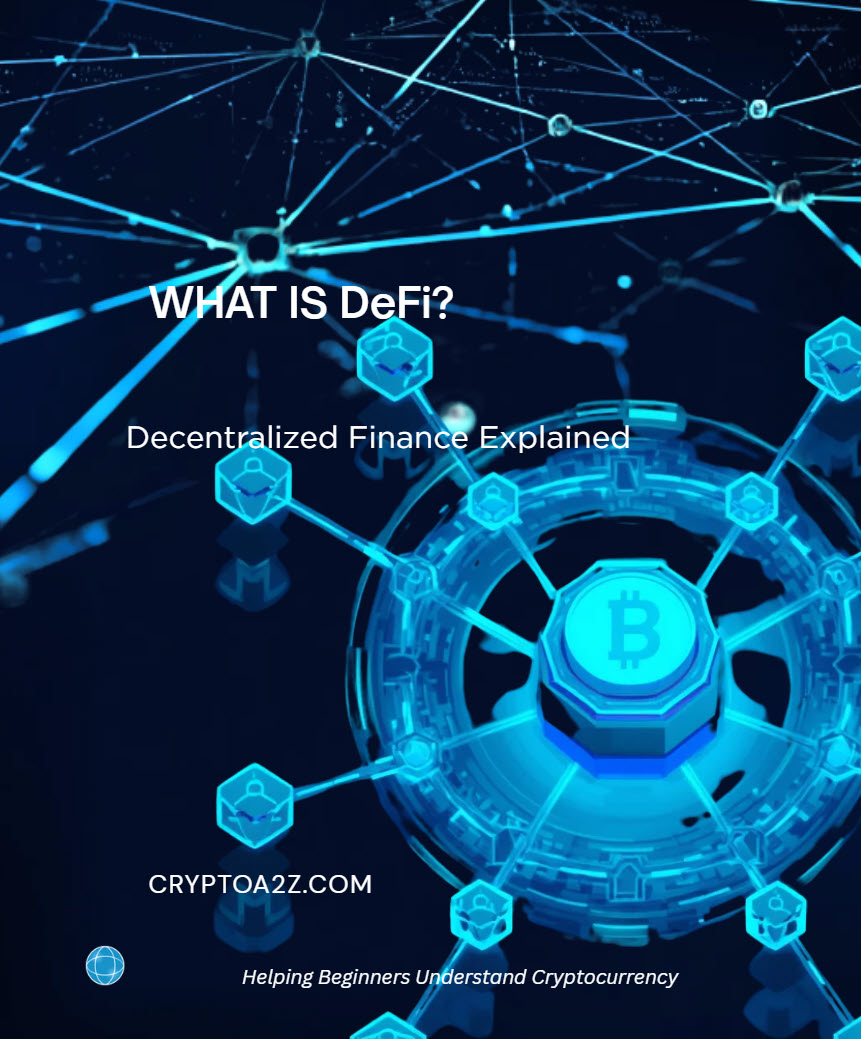
DeFi stands for decentralized finance. It is a part of the cryptocurrency world focused on financial tools and services that operate through blockchain technology instead of traditional banks or financial companies. In traditional finance, people often rely on banks, lenders, brokers, or payment processors. DeFi uses blockchain-based systems and smart contracts to create financial tools that may operate without a central company managing every step. DeFi can include activities such as lending, borrowing, trading, and earning rewards through blockchain-based platforms. For beginners, DeFi can feel advanced, and it is important not to rush into it. DeFi platforms can carry significant …

What Is Tokenization?
Tokenization is the process of turning something into a digital token that can be used or represented on a blockchain. A token can represent many different things. It might represent access, ownership, utility, rewards, or another type of digital value. For beginners, tokenization is important because it shows that blockchain technology is not only about cryptocurrency prices. Blockchain can also be used to represent real-world and digital assets in new ways. For example, a token could be connected to a digital service, a membership, a reward system, or an asset. This does not mean every token has value or every …
What Is Crypto Mining?
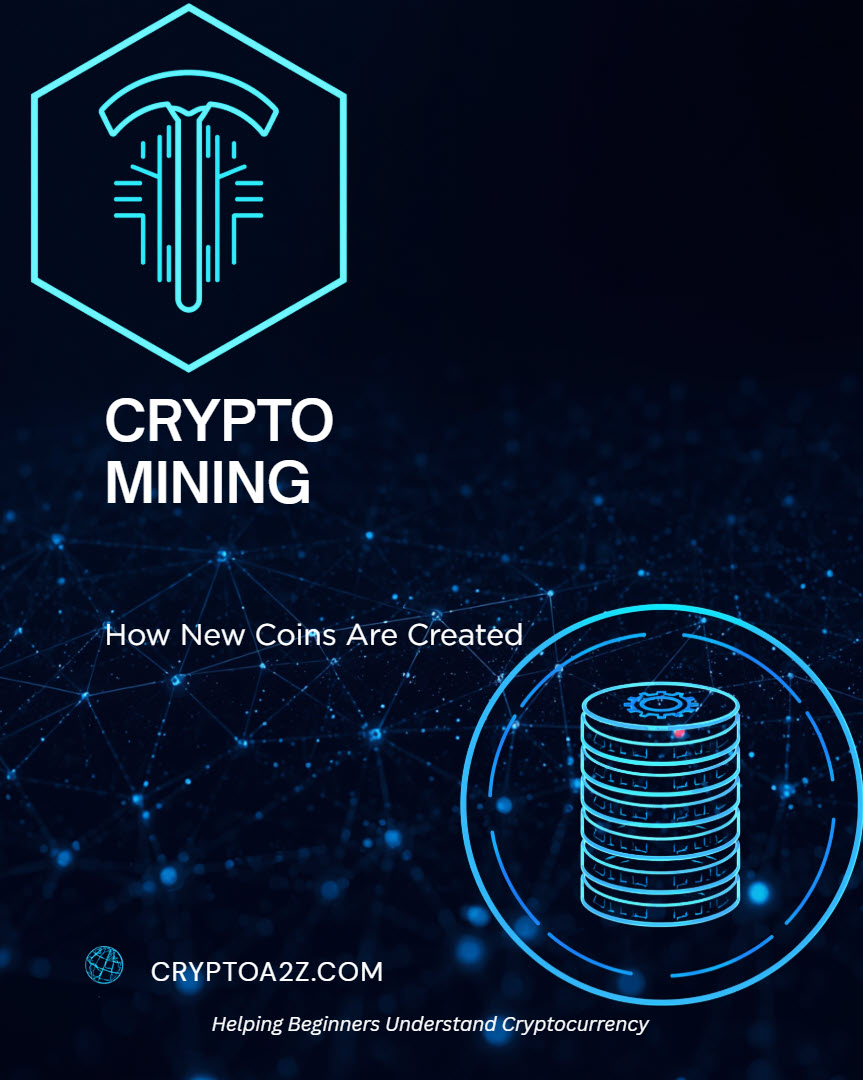
Crypto mining is the process used by some blockchain networks to help verify transactions and create new coins. Bitcoin is the most well-known example of a cryptocurrency that uses mining. In a mining system, computers compete to solve difficult problems. The winning computer helps add a new block of transactions to the blockchain. As part of this process, miners may receive rewards. For beginners, crypto mining can sound confusing because it does not look like traditional mining. No one is digging in the ground. Instead, computers are doing work to help support the blockchain network. Mining helps with two important …

What Is Proof of Stake?
Proof of Stake is another method blockchain networks can use to verify transactions and help secure the network. Instead of relying on large amounts of computing power like Proof of Work, Proof of Stake uses a different approach. In Proof of Stake systems, participants may lock up, or “stake,” cryptocurrency to help support the network. In return, they may have the opportunity to help validate transactions. For beginners, the easiest way to understand Proof of Stake is this: Proof of Stake is a system that helps blockchains confirm transactions using ownership and participation rather than mining power. Ethereum now uses …
What Is Proof of Work?
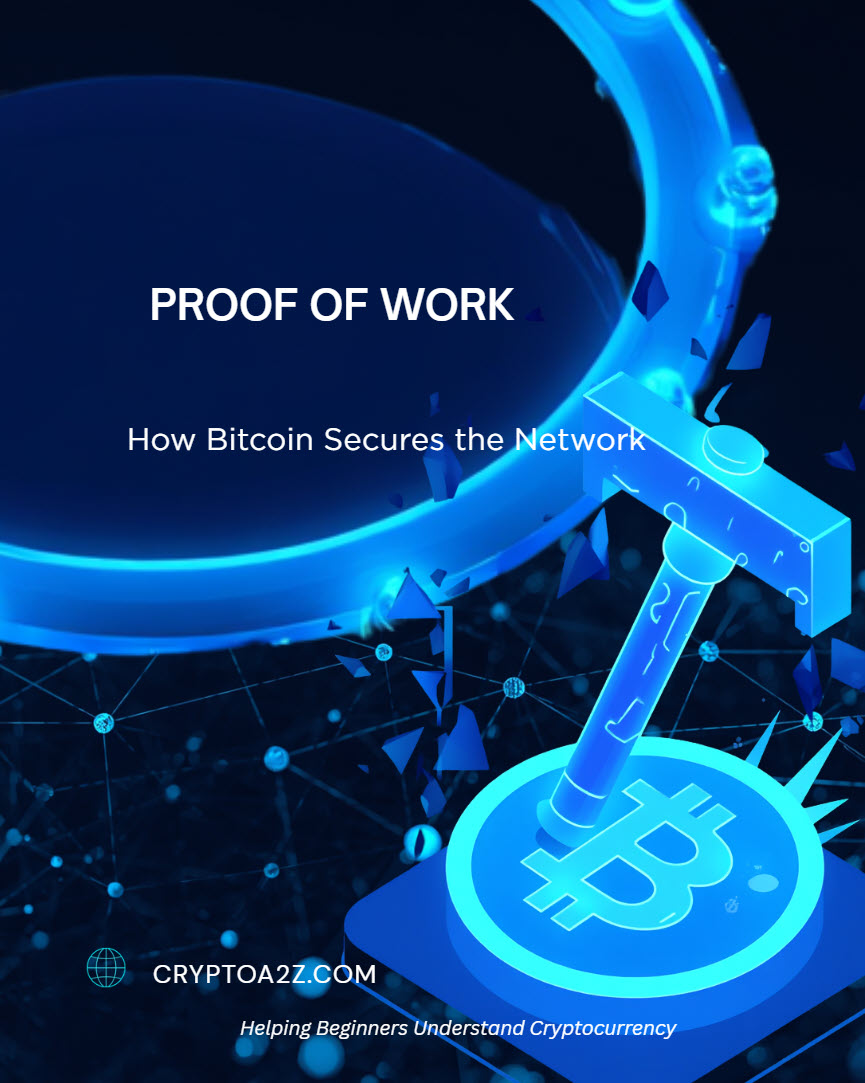
Proof of Work is one of the ways blockchain networks can verify transactions and secure the network. Bitcoin uses Proof of Work. In simple terms, Proof of Work requires computers on the network to solve difficult problems in order to help confirm transactions. These computers are often called miners. When transactions are confirmed, they are added to the blockchain. The reason this matters is because Proof of Work helps make it difficult for someone to cheat the system. It requires real computing power, which adds security to the network. For beginners, the important thing to understand is not the technical …
What Are Smart Contracts?
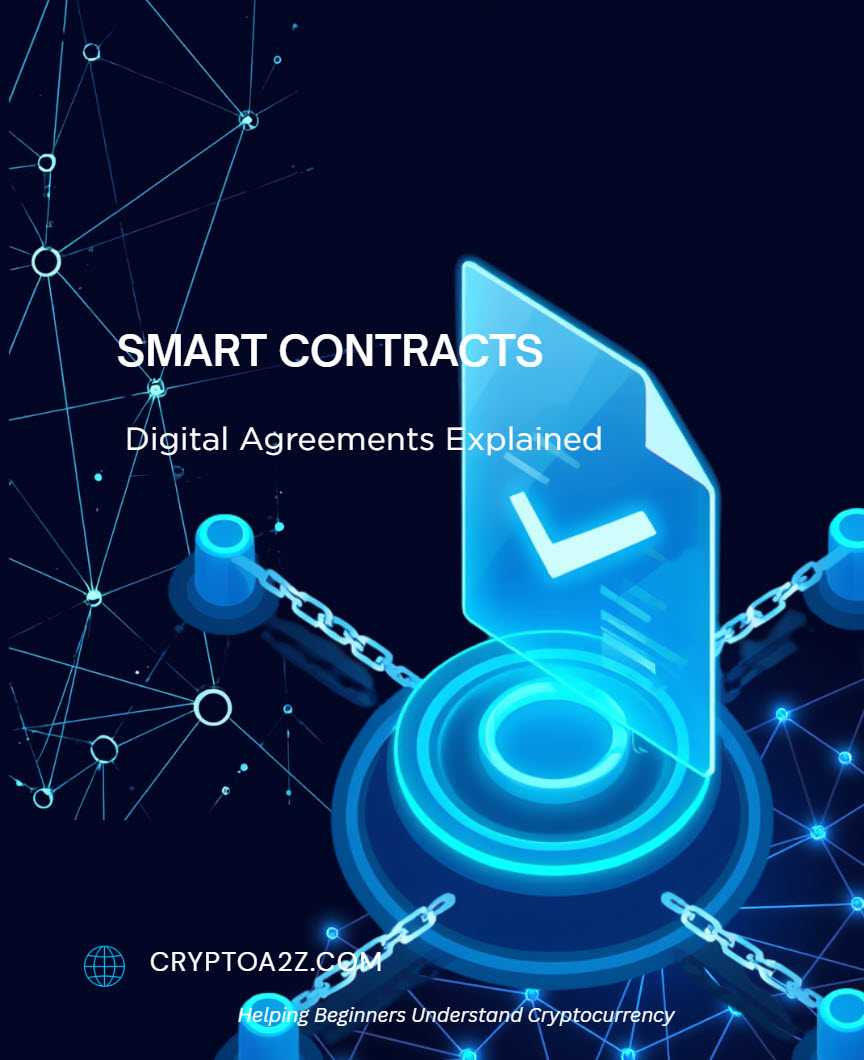
Smart contracts are one of the most important ideas connected to blockchain technology. A smart contract is a digital agreement that can automatically run when certain conditions are met. Instead of relying on a person, company, or middleman to complete an agreement, a smart contract uses code on a blockchain. For example, a smart contract can be designed to perform an action only when specific rules are satisfied. This idea is one reason blockchains like Ethereum became important. Ethereum helped popularize smart contracts and made it possible for developers to build decentralized applications. For beginners, smart contracts may sound complicated, …

What Is Web3?
Web3 is a term used to describe a new direction for the internet built around decentralization, blockchain technology, and digital ownership. To understand Web3, it helps to think about earlier stages of the internet. Web1 was mostly about reading information online. Web2 became more interactive, with social media, apps, platforms, and user-generated content. Web3 aims to give users more control over digital assets, identity, and online participation through blockchain-based systems. This does not mean Web3 is fully developed or easy to understand overnight. It is still evolving. For beginners, the simplest way to think about Web3 is this: Web3 is …
Why Patience Matters in Crypto
Many beginners feel pressure to move quickly. Patience allows you to learn, evaluate, and make better decisions. Often the smartest move is simply slowing down. 👉 Learn the CryptoA2Z approach. Helpful Internal Links …
About Us