
Why Does the Crypto Network Matter
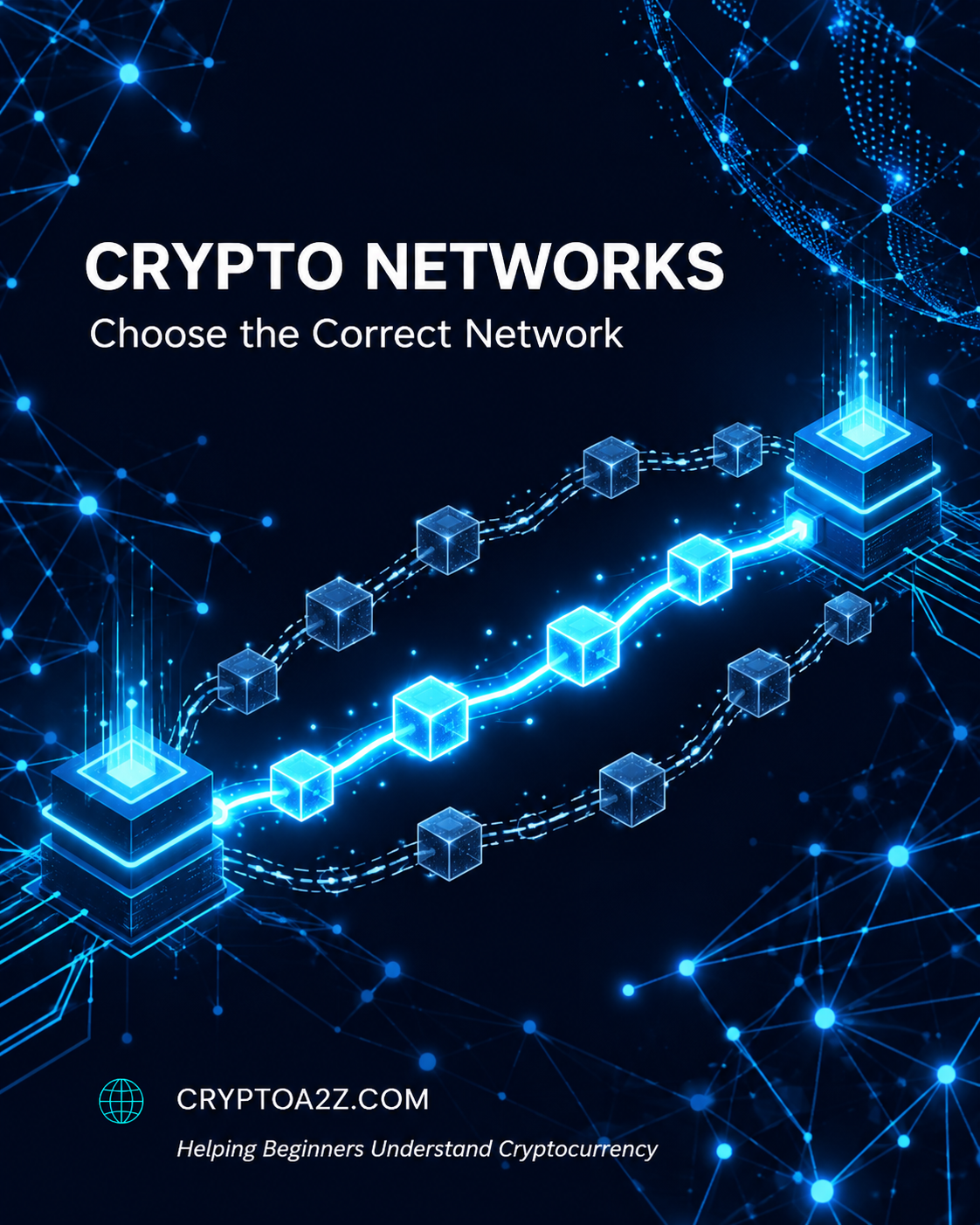
The crypto network matters because it determines where a transaction happens. The same asset name can appear on more than one blockchain, but those versions are not automatically interchangeable. Imagine mailing a package to the right street address in the wrong city. A correct-looking address does not mean you selected the correct destination. Before sending, confirm the asset, the sending network, and the networks supported by the receiving wallet or exchange. The receiving platform’s deposit instructions are the starting point. Some networks use addresses that look identical. That makes appearance an unreliable compatibility check. A successful transaction on one network …

Why Is My Crypto Transaction Pending
A pending crypto transaction is waiting for the network to process it. That waiting period can feel alarming, but pending does not automatically mean the funds are lost. Networks have limited capacity. Busy periods, fee settings, and transaction rules can affect when a transaction is included. The first step is to check whether you have a transaction ID. If you do, look it up using a trusted explorer for the correct network. If there is no transaction ID, an exchange may still be processing the withdrawal internally. That is different from an on-chain transaction waiting for confirmation. Some wallets offer …

How to Read a Blockchain Explorer
A blockchain explorer is a website that lets you inspect public information recorded on a blockchain. It can help you understand a transaction without connecting your wallet. Start with the transaction ID, sometimes called a transaction hash. Search for it in a trusted explorer for the network used. The results may show the sending and receiving addresses, transaction status, block information, fees, and asset movements. Different networks and explorers present these details differently. A pending transaction has not yet been included in the way the network requires. A confirmed transaction has been included, while the meaning of finality depends on …
What Is a Crypto Memo or Destination Tag
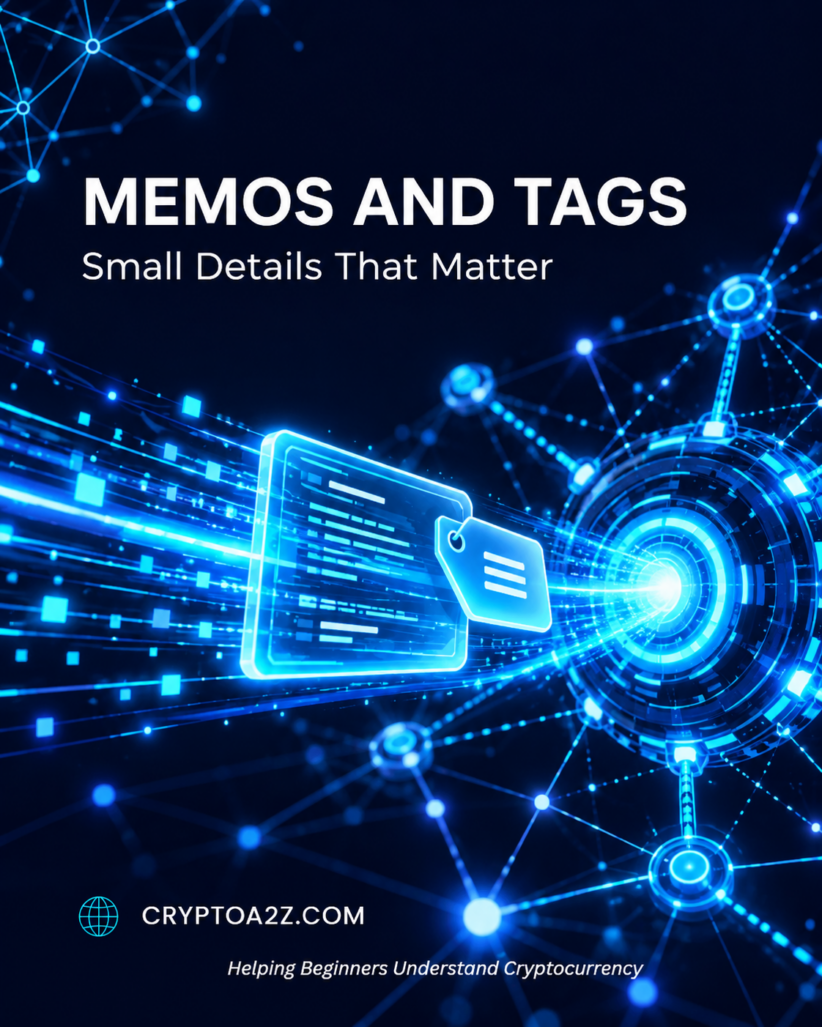
A crypto memo or destination tag is extra information that helps a receiving service assign a deposit to the correct account. Some exchanges use one blockchain address for many customers. The address identifies the service, while the memo or tag identifies the customer’s account within that service. Think of the address as an apartment building and the tag as the apartment number. Reaching the building is not enough if the recipient cannot tell which apartment should receive the delivery. Not every cryptocurrency transfer needs a memo. Requirements depend on the asset and the receiving platform. Always follow the recipient’s current …
What Is a Cryptocurrency Recovery Phrase
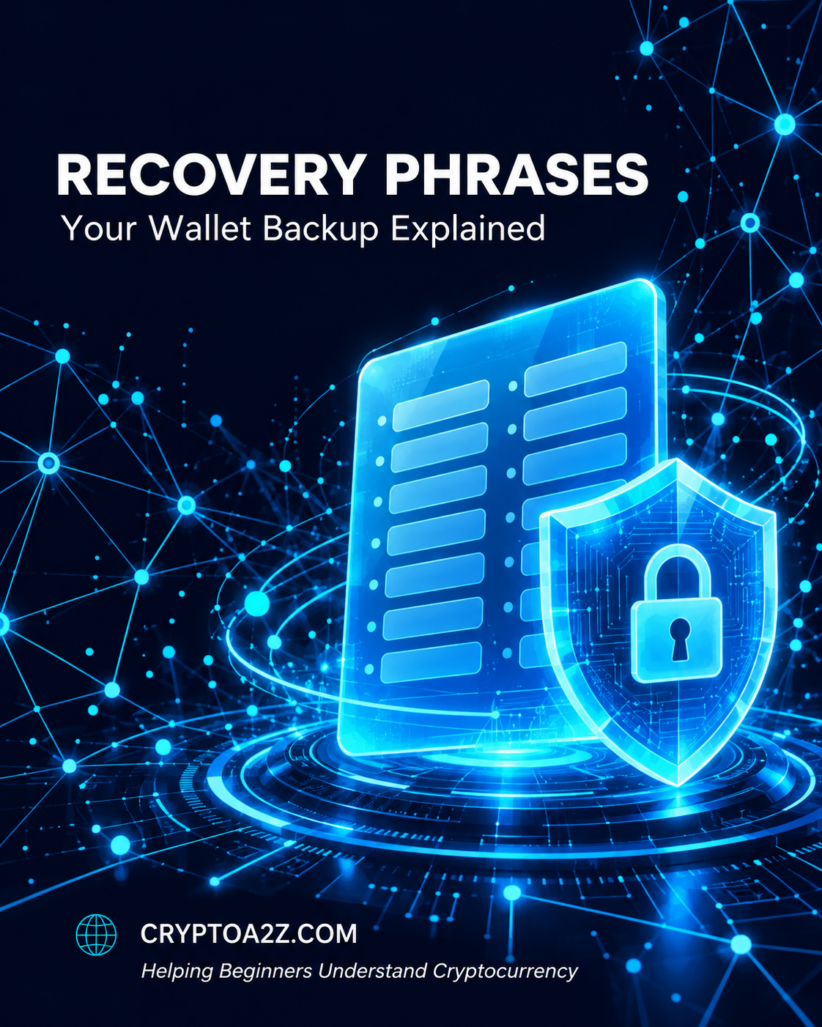
A crypto recovery phrase is a set of words that can restore access to many self-custody wallets. You may also hear it called a seed phrase. In a traditional phrase-based wallet, those words help recreate the keys that control your accounts. They are different from the password you use to unlock the wallet on your phone or computer. Think of the password as the lock on one device. The recovery phrase is the backup that can rebuild access on another compatible device. Anyone who obtains the phrase may be able to take the assets controlled by it. Never send it …

How to Protect Your Crypto Accounts
Protecting your crypto accounts is one of the first things every beginner should learn. Before buying, trading, or using cryptocurrency, it is important to understand basic security habits. Start with strong passwords. Avoid using the same password across multiple accounts. Enable two-factor authentication whenever possible. This adds an extra layer of protection beyond just a password. Be careful with emails, text messages, and links. Phishing scams often try to trick users into entering login information on fake websites. Never share private keys, recovery phrases, or sensitive wallet information with anyone. Also, take your time. Many mistakes happen when people rush …
Common Crypto Scams to Avoid
Crypto scams are one of the biggest risks beginners need to understand. Because cryptocurrency can feel confusing, scammers often target people who are new and unsure of what to do. Common crypto scams may include fake investment opportunities, phishing links, fake support messages, impersonation scams, giveaway scams, and promises of guaranteed returns. One major warning sign is pressure. If someone tells you to act quickly, send money, share wallet information, or trust a guaranteed opportunity, slow down. Another warning sign is secrecy. Scammers often try to move conversations into private messages or pressure people not to ask questions. For beginners, …

What Is Blockchain Security?
Blockchain security refers to the tools, systems, and habits that help protect blockchain networks and the people who use them. Blockchain technology is designed to be secure, but that does not mean every crypto experience is automatically safe. Many beginner problems happen because users do not understand account protection, private keys, wallets, scams, or platform risks. Blockchain networks may use systems like cryptography, decentralization, consensus mechanisms, and public transaction records to help maintain security. However, users also have responsibility. For example, if someone shares sensitive wallet information or falls for a phishing scam, blockchain technology may not be able to …
What Are NFTs?
NFT stands for non-fungible token. An NFT is a type of digital asset that can represent ownership or proof of authenticity for something unique. Many people first heard about NFTs through digital art, but NFTs can be connected to many different types of digital items, including collectibles, memberships, tickets, gaming assets, and more. The word “non-fungible” simply means something is unique and not easily interchangeable with something else. For example, one dollar can be exchanged for another dollar because they have the same value. But a unique digital collectible may not be the same as another collectible. NFTs use blockchain …
What Is DeFi?
DeFi stands for decentralized finance. It is a part of the cryptocurrency world focused on financial tools and services that operate through blockchain technology instead of traditional banks or financial companies. In traditional finance, people often rely on banks, lenders, brokers, or payment processors. DeFi uses blockchain-based systems and smart contracts to create financial tools that may operate without a central company managing every step. DeFi can include activities such as lending, borrowing, trading, and earning rewards through blockchain-based platforms. For beginners, DeFi can feel advanced, and it is important not to rush into it. DeFi platforms can carry significant …
About Us